Start here · BibleProject · Biblical context

Tree of Life
BibleProject
Explicitly links tree/vine imagery to John 15; emphasize that Christ, not independent spiritual effort, gives life.
 ScriptureWeek by Week
Week 2 · Spiritual Capital · October 25, 2026
John 15:1–11
Read the Scripture passage ↗Watch & Learn this week ↓Begin with Scripture. Open each section as you read and reflect.
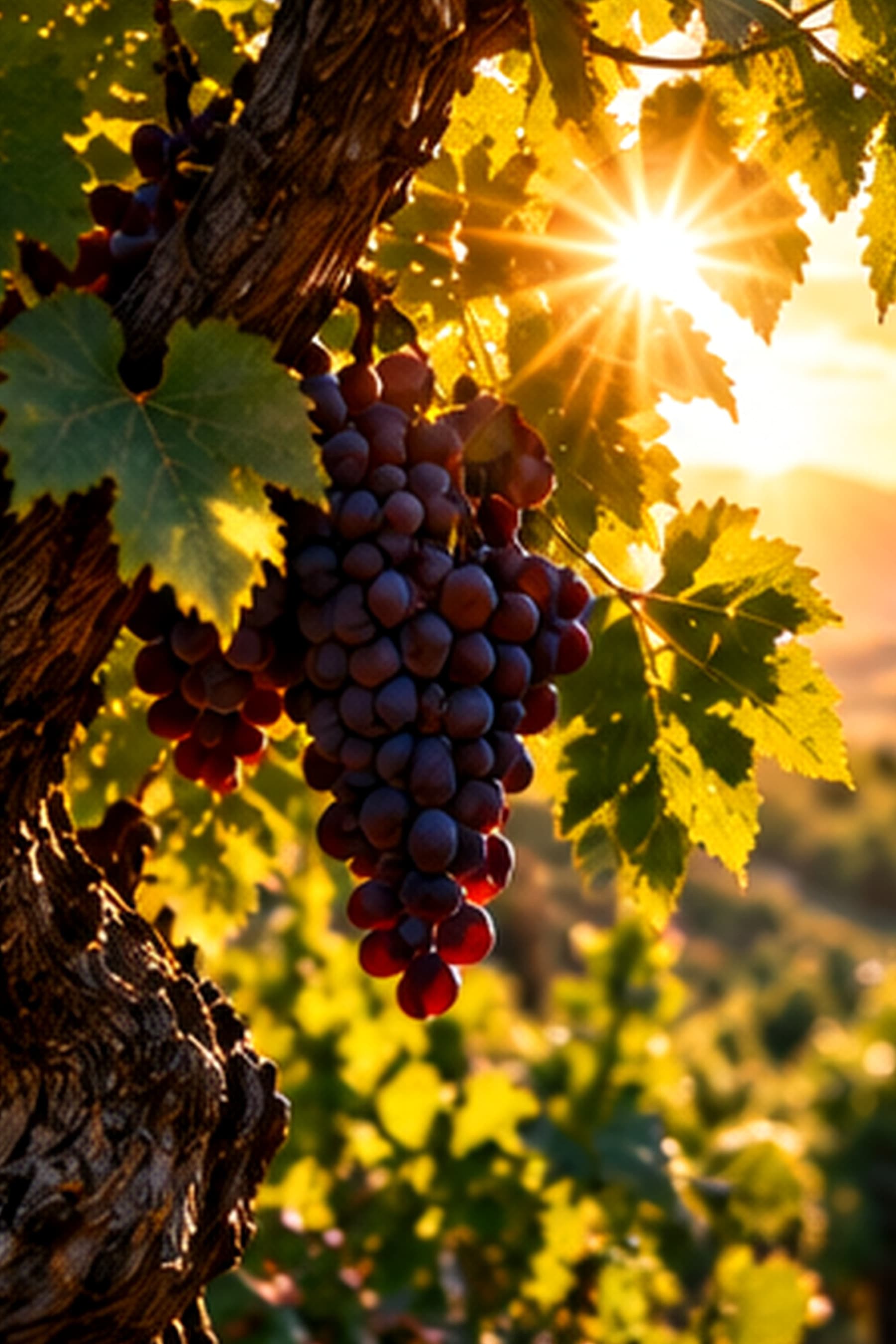
On the night before His death, Jesus names Himself the true Vine. The Father tends the branches, the Word makes disciples clean, and fruitful life comes only through remaining in Jesus. The command to abide is held inside a promise: Christ does not abandon His people.
THIS WEEK’S CENTER Jesus is the true Vine. We do not create spiritual life by trying harder; His Word keeps us in Him, and His life bears fruit in us.
“I am the vine. You are the branches.” John 15:5 (WEB)
15:1–3
The Father tends the branches; Jesus’ Word has already made His disciples clean.
15:4–6
Branches bear fruit only by remaining in the Vine; self-sufficiency is lifeless.
15:7–11
Jesus connects abiding with His words, love, prayer, and fullness of joy.
LAW We treat prayer, worship, and growth as a scoreboard, or try to produce fruit apart from Jesus.
GOSPEL Christ is the true Vine who gives His life for us. His cleansing Word and gifts sustain faith and bring forth love.
The harvest belongs to Jesus. He entrusts us with gifts to love our neighbors and share His Gospel.
Life from the Vine
John 15:1–11 / SPIRITUAL CAPITAL
A branch cannot manufacture its own life.
A branch can look very busy in the breeze. It can wave, bend, and cast a shadow. But it cannot tell the vine, “Thank you, I will take it from here.” Cut off from its source, even the most impressive branch dries out. Jesus chooses that image when He speaks to His disciples on the night before His death.
We often talk about spiritual growth as though it were a personal fitness program. Read more, pray longer, volunteer harder, and maybe God will be pleased. Those practices can be precious gifts, but they cannot make us alive in Christ. Jesus reverses the order. He does not say, “Produce enough fruit, and I will connect you.” He says, “I am the vine. You are the branches” (John 15:5, WEB).
John 15 repeatedly speaks of remaining or abiding, the Greek verb menō. The point is not a mystical technique or a search for an inward spiritual sensation. It is continued dependence on Jesus and His words. Before He commands fruitfulness, Jesus tells His disciples they are already clean because of the word He has spoken (15:3).
The Father is the gardener, the Son the true Vine, and the disciples the branches. The Father’s tending is serious, and Jesus’ warning about fruitless branches should not be dismissed. Yet the chapter centers the source of life where it belongs: in Christ Himself.
Hear the order in John 15:3–5: Christ speaks His cleansing Word; His people remain in Him; fruit follows.
Life from the Vine | Living in His Harvest
Think of all the ways South Lake can be busy: worship, Bible study, confirmation, school partnerships, meals, conversations, and serving the community. These are opportunities to love neighbors. None of them replaces the place where Christ meets us through His promises. A church with a calendar full of activity still needs to abide in the Vine.
The same is true personally. Some seasons are full of energy. Others carry grief, illness, fatigue, or responsibilities that make participation look very different. Jesus does not value a branch by its public visibility. His gifts come to the tired and the strong alike. We receive His Word, remember the gift of Baptism, confess sin, hear forgiveness, and come to His Table. These are not trophies for spiritual achievers. They are gifts for needy disciples.
The Law finds our pride when we compare ourselves to others, and our unbelief when we imagine we can live apart from Jesus. The Gospel announces that He is our living Savior. Through His death and resurrection He forgives us; through His Word and Spirit He keeps us in faith.
From that life grow love, patience, prayer, and service. Those fruits matter, but they are never the price of belonging. A vineyard flourishes by remaining connected to its source. So does the Church. Jesus wants His joy to be in His disciples and their joy to be full (15:11).
Before adding another spiritual task, receive one promise from John 15. Then ask where Christ-given love can quietly bear fruit this week.
True Vine, keep us in You by Your living Word. Forgive our spiritual scorekeeping, nourish our faith with Your gifts, and bring forth patient love for those around us. Amen.
CONFESSIONAL COMPANION Augsburg Confession IV–V; Small Catechism, Creed, Third Article and Sacrament of the Altar.
The harvest belongs to Jesus. We receive His gifts and serve our neighbors.
A few words and connections can open the passage. Scripture remains the authority.
| Word | Simple meaning | Why it matters |
|---|---|---|
| ἄμπελος | ampelos • vine | Jesus fulfills what Israel’s vine imagery anticipated (see Isaiah 5). |
| καθαίρει | kathairei • prunes | The Father tends a living branch toward fruitfulness (v. 2). |
| μένω | menō • remain / abide | Continuing in Christ is receiving life from Him, not spiritual independence. |
| καρπός | karpos • fruit | Love and obedience follow connection to Christ; they do not purchase it. |
READING NOTE Notice the wordplay: “prunes” (kathairei, v. 2) and “clean” (katharoi, v. 3). Jesus says His Word has cleansed them.
Isaiah 5:1–7; Psalm 80:8–19. Israel is pictured as a vine in need of God’s faithful tending and restoration.
Galatians 5:16–26; Titus 3:3–8. The Spirit brings fruit; God saves and renews by grace, not our performance.
• Augsburg Confession IV–V. We are justified through faith for Christ’s sake; the Gospel and Sacraments are given to create faith.
• Small Catechism, Creed III. The Spirit calls, enlightens, sanctifies, and keeps us in the true faith.
• Small Catechism, Sacrament of the Altar. Christ gives His body and blood for the forgiveness of sins, a gift received in faith.
The Confessions help explain Scripture; they do not replace reading the biblical passage itself.
Not earning grace. Living by grace, for the sake of our neighbors.
YOU & YOUR VOCATION Receive rather than perform: pray, hear the Word, remember your Baptism, and rest in Christ’s promise.
SOUTH LAKE CHURCH Make worship, Communion, Scripture, and prayer central to South Lake’s future, not merely activity and attendance.
CHRIST’S WIDER CHURCH Support congregations and believers who keep proclaiming Christ even where visible growth is slow.
1. What is the difference between abiding and trying to earn God’s approval?
2. How does Jesus’ word “clean” change the way you hear “bear fruit”?
3. Which ordinary place in your week needs Christ’s sustaining Word?
HARVEST PARTNERSHIP VALUE TRUST | Deep roots in the Gospel sustain open hands in Christ’s mission.
Father, faithful Gardener, thank You for joining us to Jesus, the true Vine. Forgive our restless attempts to grow without Him. By Your Word, keep us in Christ, comfort us with His forgiveness, feed us with His gifts, and bear the fruit of patient love. Let South Lake grow deep in Your promises before we reach outward in service. Through Jesus Christ our Lord. Amen.
READ the passage slowly. NOTICE what God reveals and promises. PRAY in Jesus’ name. LOVE the neighbor already before you.
THIS WEEK’S CONFESSIONAL READING Return to the three passages from the Small Catechism and Augsburg Confession in the confessional reading section. Read one on Monday, Wednesday, and Friday; ask how it directs you back to Christ.
Week 2 · Spiritual Capital
Use these resources alongside this week’s Scripture and devotion. Explore the featured video, go deeper in the text, and hear from Lutheran voices.
BibleProject offers supplementary biblical context and is not an LCMS organization. Read alongside the Lutheran teaching and discuss questions with your pastor.
Start here · BibleProject · Biblical context
BibleProject
Explicitly links tree/vine imagery to John 15; emphasize that Christ, not independent spiritual effort, gives life.
Lutheran teaching
LCMS / Rev. Dr. Gottfried Martens
Clearly teaches that salvation comes to sinners from Christ through Gospel, Baptism, and the Lord's Supper; supports confessional treatment of abiding.
Lutheran teaching
St. John's Lutheran Church, Austin (LCMS) / Pastor James Groleau
Direct treatment of Jesus' vine-and-branches text; full worship-video links are on the sermon page.
Lutheran teaching
LCMS / Rev. Dr. Joel D. Biermann
Whole-life Christian stewardship, not a ranking of people by strength or productivity.
Audio sermon · NewChurch
Pastor Frank Hart, NewChurch LCMS, Katy
NewChurch explicitly discusses the Harvest Partnership five capitals; focuses on relying on the Spirit rather than self-driven effort.
Listen to Spiritual Capital ↗Audio recording, not a standalone video.
Explore the matching capital in the Partnership’s own words. These are written resources, separate from the videos and sermons.
Official Harvest Partnership · Written resource
Partnership description of Spiritual Capital; directly relevant to the five-capitals framework.
Read Prayer. Gifts. Sending. ↗What is the difference between abiding and trying to earn God’s approval?
Return to the assigned passage. What did the video help you notice, and what would you like to discuss with your pastor or group?
Optional checkmarks stay in this browser. 0 of 7 readings marked.
NT John 15:1–11 OT Isaiah 5:1–7
Who is the Vine, and who gives fruit?
Read New Testament ↗Read Old Testament ↗NT John 15:1–3 OT Psalm 80:8–19
Hear “already clean” before making a plan.
Read New Testament ↗Read Old Testament ↗NT John 15:4–5 OT Jeremiah 17:5–8
Where are your roots drawing strength?
Read New Testament ↗Read Old Testament ↗NT John 15:6–8 OT Ezekiel 36:25–27
Ask Christ to keep His Word in you.
Read New Testament ↗Read Old Testament ↗NT John 15:9–11 OT Deuteronomy 7:6–9
His love comes first; joy follows.
Read New Testament ↗Read Old Testament ↗NT Galatians 5:16–26 OT Psalm 1
Name one fruit the Spirit grows in love.
Read New Testament ↗Read Old Testament ↗NT Titus 3:3–8 OT Isaiah 55:10–13
Thank God for saving and renewing grace.
Read New Testament ↗Read Old Testament ↗